How Professional Bag Manufacturers Ensure U.S. GCC Compliance for the American Market
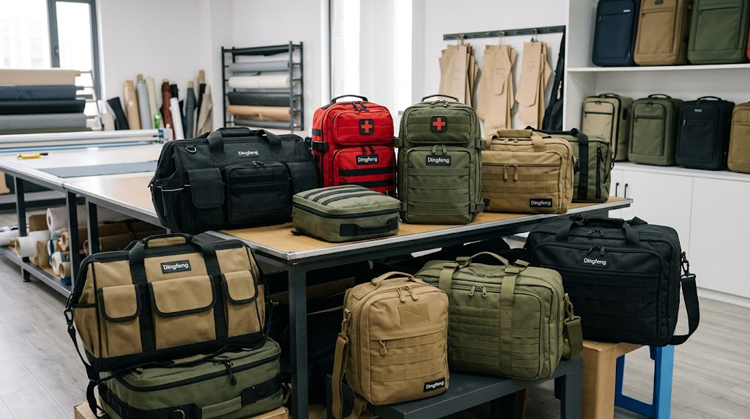
With the rapid growth of the North American outdoor gear and professional equipment market, functional storage products—such as heavy-duty tool bags, off-road camping bags, and tactical gear—have become a highly profitable category.
However, as many brands scale into the U.S. market, they often encounter an unexpected and costly challenge: customs holds, platform compliance warnings, and even Amazon listing suspensions caused by documentation and regulatory gaps.
A key misconception behind these issues is the belief that “adult bags are exempt from compliance requirements.” In reality, under the oversight of the U.S. Consumer Product Safety Commission (CPSC), this assumption can lead to serious compliance risks depending on product materials and construction.
For general-use consumer products, importers are often required to issue a General Certificate of Conformity (GCC) when applicable regulations apply. More importantly, compliance is not something that can be added at the final stage—it must be built into the product from the very beginning.
Below is how professional bag manufacturers systematically manage GCC-related compliance to ensure smooth market entry and long-term supply chain stability.
1. The "Adult Bags Are Exempt" Trap
Many sellers are familiar with the Children’s Product Certificate (CPC) requirements for children’s products, which involve strict chemical and physical safety testing. This often leads to a dangerous assumption: if a product is not intended for children, it is automatically free from certification requirements.
In reality, professional manufacturers understand that compliance obligations are not determined solely by age category. Instead, they depend on product materials, structure, and applicable CPSC regulations.
Functional bags—such as tactical backpacks and tool storage systems—often involve complex material compositions and industrial hardware, which may fall under multiple safety and chemical compliance standards in the U.S. market.
2. Key High-Risk Compliance Areas in Functional Bags
Compared to standard fabric bags, professional-grade storage products use reinforced structures, coatings, and metal components that introduce additional compliance considerations. Experienced manufacturers proactively identify and control these risks early in production.
Flammability of Textile Materials (16 CFR Part 1610)
One of the most common compliance checkpoints involves fabric flammability.
To achieve waterproofing, abrasion resistance, or durability, manufacturers often use PU/PVC coatings or high-density synthetic fibers. These treatments can affect burn performance and must meet U.S. flammability requirements for textile products.
Substandard materials or uncontrolled chemical treatments significantly increase compliance risk, particularly for outdoor and camping applications.
Heavy Metals in Surface Coatings and Hardware (16 CFR Part 1303)
Functional bags rely heavily on metal components such as zippers, buckles, rivets, and frame structures.
If electroplating, painting, or finishing processes use non-compliant raw materials, they may introduce excessive lead content or other restricted substances.
Professional factories therefore strictly control hardware sourcing and conduct supplier audits to ensure all components meet U.S. safety limits.
California Proposition 65 Requirements
For products sold into California, additional chemical disclosure requirements apply.
Manufacturers must pay attention to potential substances such as phthalates in plastic components, residual formaldehyde in coatings, and other regulated chemicals that may trigger warning obligations or legal exposure.
3. A GCC Isn't Just a Piece of Paper
A common misconception in the market is that a GCC is simply a self-declared document that can be downloaded, signed, and submitted without supporting evidence.
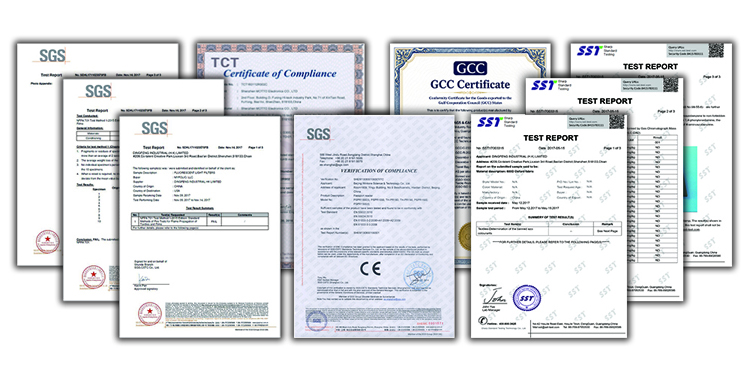
In practice, while the GCC is issued by the importer or manufacturer, its validity depends entirely on verifiable third-party laboratory test reports.
In the event of a regulatory audit or platform compliance review, authorities and marketplaces typically request supporting documentation such as:
- Fabric flammability test reports
- Heavy metal and chemical safety reports
- Traceable material compliance documentation
Without these underlying reports, a GCC has no practical legal standing and may lead to penalties such as shipment delays, listing removal, or account suspension.
4. How Professional Manufacturers Build Compliance Into Production
In today’s global supply chain, manufacturers are no longer just production vendors—they are a critical part of the compliance infrastructure.
Experienced factories integrate regulatory requirements directly into every stage of production:
- Controlled Raw Material Sourcing: Professional manufacturers pre-qualify suppliers and require compliance documentation before production begins. Non-compliant coatings, recycled unstable plastics, or unverified chemical treatments are strictly rejected.
- Process-Level Risk Control: During manufacturing, structural reinforcement processes such as bartack stitching, load-bearing frame installation, and coating applications are managed in a way that avoids introducing contamination or compliance risks.
- Full Documentation and Traceability: A mature factory system maintains complete material traceability and testing records. This ensures that every GCC declaration is backed by verifiable laboratory data, significantly reducing customs and platform compliance risks.
The functional bag market offers strong growth potential in the U.S., especially in categories such as tool organization, outdoor equipment, and tactical storage systems. However, success in this space depends not only on product design and cost control, but also on regulatory readiness.
Compliance is not a post-production document—it is a system built into materials, processes, and supplier management from day one. Work with a manufacturer who actually understands U.S. compliance, and keep your focus on what you do best: growing your brand!
Beyond the Bag: Custom Packaging Solutions for a Premium Unboxing Experience
The Hidden Cost of Standard Packaging: Why Device Brands Are Switching to Custom Cases and Bags
Related Article