The Future of Equipment Storage: Accessibility, Organization, and Workflow
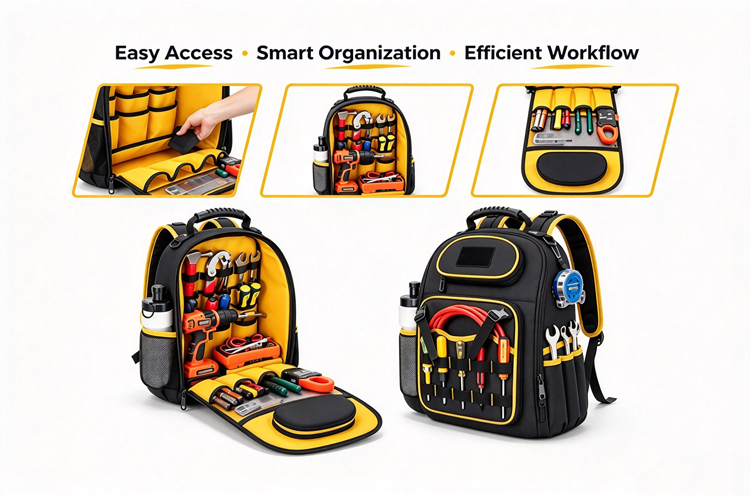
A good equipment bag needs to do more than hold tools and accessories. Durability, water resistance, and carrying capacity are still important, but how equipment is stored and accessed matters just as much. Users need to find what they need quickly, keep tools and accessories organized, and move through their daily tasks without unnecessary unpacking.
These needs vary by application. Field technicians may need quick access to testing instruments and cables, while 4WD users need practical ways to store recovery gear and outdoor accessories. Medical equipment bags, on the other hand, may require dedicated compartments for devices and supplies. In each case, the design should reflect how the equipment is carried, accessed, and used.
For brands developing custom equipment bags and cases, this means looking beyond storage capacity alone. Accessibility, organization, and workflow are three key considerations that can make a bag more practical in everyday use. By addressing these elements from the early design stage, brands can develop storage solutions that better suit their customers' actual needs.
1. Accessibility: Put Frequently Used Items Within Reach
A bag can have plenty of storage space and still be frustrating to use. If users have to remove several items to reach one tool, the layout needs another look.
Good accessibility starts with understanding which items are used most often and how users need to reach them.
High-Visibility Interiors
Small tools, black cables, and accessories can be difficult to find inside a dark bag. A contrasting lining makes the contents easier to see, especially in a vehicle, workshop, or poorly lit work area.
It is a simple detail, but one worth considering when designing professional tool bags and equipment organizers.
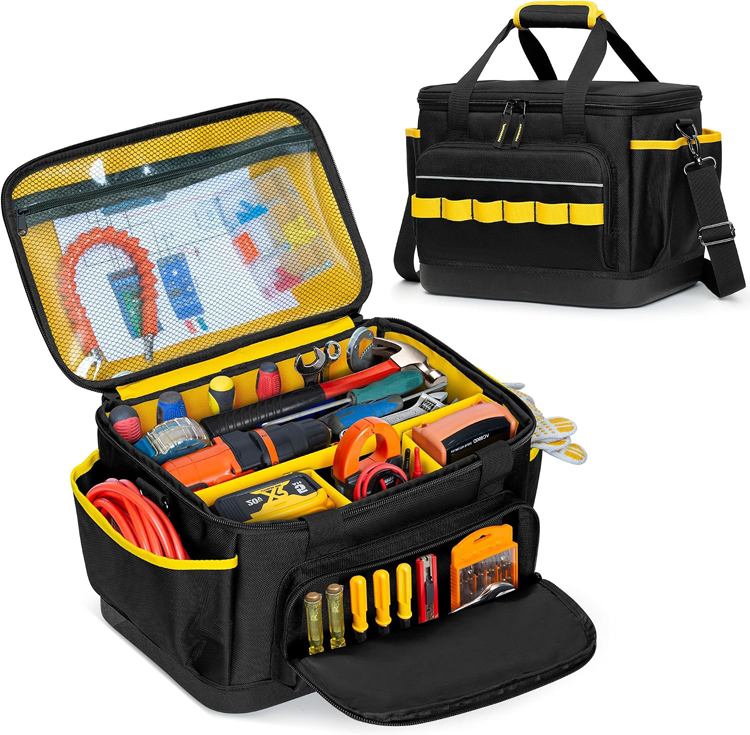
Pocket placement and opening design have a direct impact on how easily users can reach their equipment. Exterior pockets, lid organizers, wide openings, and strategically positioned compartments can provide quick access to frequently used items without requiring the entire bag to be unpacked.
For field technicians, this may mean keeping testing instruments, connectors, and hand tools within easy reach. For outdoor users, frequently needed accessories can be separated from larger camping or recovery equipment.
The most effective layout depends on how and where the bag will be used. A pocket should not only fit its contents; it should also allow users to retrieve them comfortably and efficiently.
Intuitive Design Details
Distinctive zipper pulls, textured tabs, contrasting pocket edges, and clearly defined openings can help users recognize storage areas more easily.
These details are particularly useful when carrying similar-looking accessories or working in environments where visibility and convenience matter. When developing a custom equipment bag, accessibility should be considered from the initial design stage rather than added as an afterthought.
The goal is straightforward: help users find and reach the right equipment with less effort.
2. Organization: Giving Every Item a Purposeful Place
Easy access is only effective when equipment has a logical place to begin with. Without a clear storage system, tools, cables, accessories, and components can become mixed together, making it harder to locate items and check that everything is accounted for.
Well-planned equipment organization combines suitable compartments, appropriate protection, and a layout based on the actual items being carried.
Choose Compartments Based on the Contents
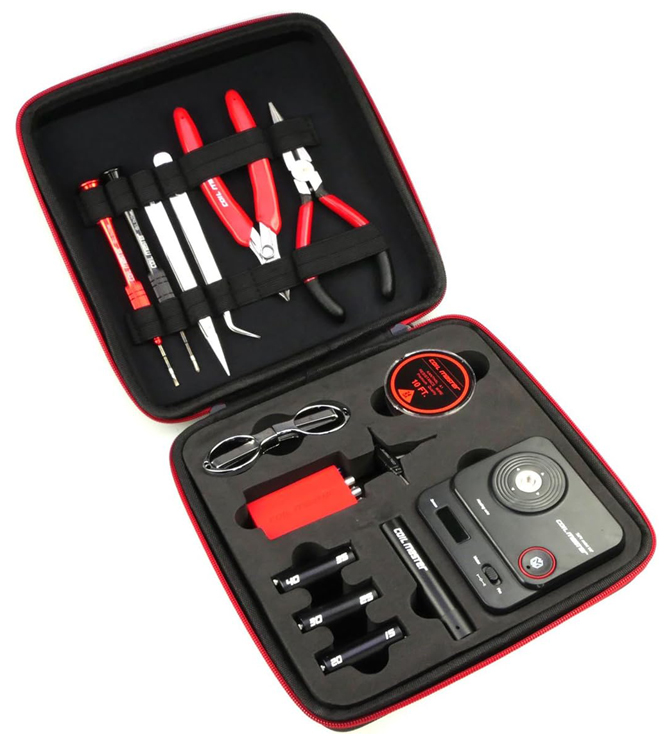
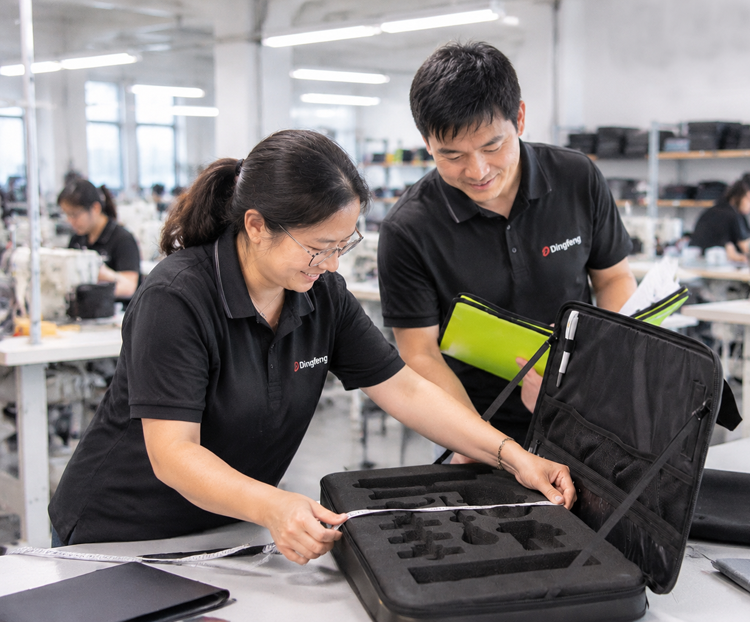
Different types of equipment require different storage arrangements. Dedicated tool pockets, elastic loops, padded sections, and custom-cut foam inserts can help keep items in position during transport.
For professional tool bags, individual pockets can separate hand tools and small accessories. For industrial equipment cases, fitted foam can accommodate measuring instruments, electronic devices, and other sensitive equipment, helping limit movement during transit.
The right solution depends on the equipment's size, shape, weight, and protection requirements. Custom compartments should be developed around the contents rather than relying on a generic layout.
Flexible and Modular Storage
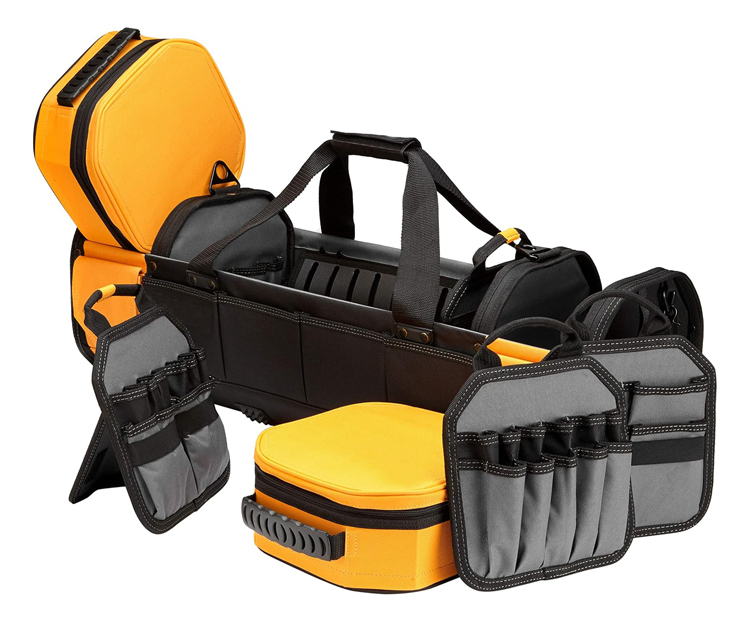
Equipment requirements can change between jobs, users, and applications. Removable pouches, adjustable dividers, hook-and-loop panels, and detachable organizers can make a storage system more adaptable.
For outdoor gear storage, separate sections can help manage camping accessories, recovery equipment, cables, and vehicle tools. For field service teams, removable organizers can accommodate different tool sets for different tasks.
Medical equipment bags can also use dedicated compartments or removable pouches to separate devices and supplies, depending on the intended application. Material compatibility, cleaning requirements, and applicable regulatory or infection-control considerations should be evaluated during development.
A Layout Based on Equipment Requirements
More pockets do not automatically create better organization. An effective storage layout assigns space according to the equipment being carried and how it is used.
Larger tools may need reinforced compartments, small components may require dedicated pockets, and cables may need separate sections to reduce tangling. Delicate instruments may require padding or fitted inserts for additional protection.
For brands developing custom equipment bags and cases, reviewing the actual equipment is an important first step. A carefully planned layout can improve organization without adding unnecessary bulk or weigh.
3. Workflow: Connecting Storage Design to Real-World Tasks
Accessibility helps users retrieve equipment, and organization gives each item a designated place. Workflow brings these elements together by considering how the bag supports the user's complete working process.
From preparing tools before a service visit to setting up equipment on-site and packing everything away afterward, a practical storage design can reduce unnecessary handling and make routine tasks easier to manage.
Arrange Equipment Around the Work Sequence
A workflow-focused bag reflects the order in which equipment is used. Frequently needed tools and accessories should be readily accessible, while heavier items can be positioned in reinforced lower compartments where appropriate.
For field service applications, diagnostic instruments and their related accessories may be stored together. For outdoor gear bags, essential items can be positioned separately from bulky equipment. For medical equipment bags, the layout should support the intended task while maintaining appropriate separation and protection.
Understanding the user's routine helps determine the most useful pocket positions, compartment sizes, and opening styles.
Support Setup and On-Site Use
Equipment storage does not end when a bag is opened. Depending on the application, structured lids, fold-down panels, or reinforced surfaces may provide a convenient area for arranging tools, small components, or documents.
Keeping related equipment together can also simplify setup. Technicians can retrieve an instrument and its accessories from one section, while outdoor users can access essential gear without unpacking everything around it.
Any additional feature should serve a clear purpose and suit the intended working environment, load requirements, and safety considerations.
Make Packing and Equipment Checks Easier
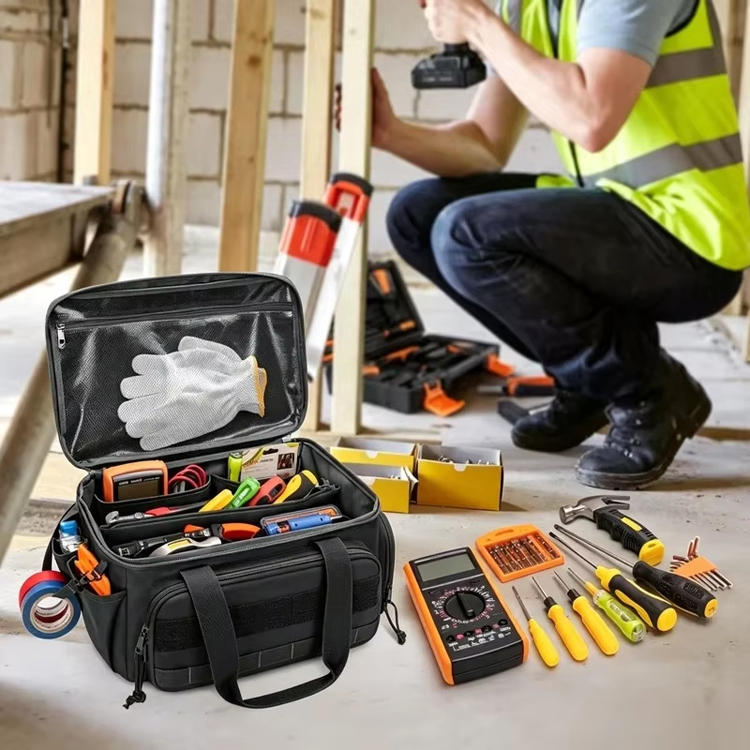
A consistent storage layout can help users return equipment to its designated place after use. It can also make it easier to identify missing tools or accessories before leaving a job site.
For field service teams, organized equipment can simplify preparation between appointments. For outdoor users, it can make loading, unloading, and storing gear more manageable. In medical applications, a clearly planned layout can support the identification and management of the equipment and supplies required for a particular task.
The objective is not simply to save time when opening a bag. It is to make equipment easier to manage throughout the entire process, from preparation and transport to use and pack-up.
The Next Step in Equipment Storage Design
Accessibility, organization, and workflow are not separate features. They work together to determine how useful an equipment bag is in everyday situations.
Accessible openings make equipment easier to reach. Purposeful compartments keep tools and accessories in order. A workflow-focused layout helps users move between preparation, use, and pack-up with fewer unnecessary steps.
These principles can be applied across a wide range of products, from professional tool bags and industrial equipment cases to outdoor storage bags and medical equipment bags. The specific solution will vary, but the starting point remains the same: understand the equipment, the working environment, and the tasks the user needs to perform.
As equipment requirements become more specialized, custom bag design offers brands greater flexibility to develop storage solutions around real-world needs rather than relying on a one-size-fits-all layout.
Developing Custom Equipment Storage Solutions
At Dingfeng, we develop custom bags and cases for different equipment and industry applications. Our approach starts with understanding what your product needs to carry, how users will access it, and the conditions in which it will be used.
From professional tool bags and outdoor gear storage to medical equipment bags and protective cases, we can work with you on material selection, compartment layouts, custom foam inserts, reinforced structures, and other functional details tailored to your application.
Planning a new equipment bag or storage product? Contact Dingfeng to discuss your design requirements and explore a custom solution for your market.
Planning Ahead for 2027: Starting Your Custom Bag Development Early
Related Article