Planning Ahead for 2027: Starting Your Custom Bag Development Early
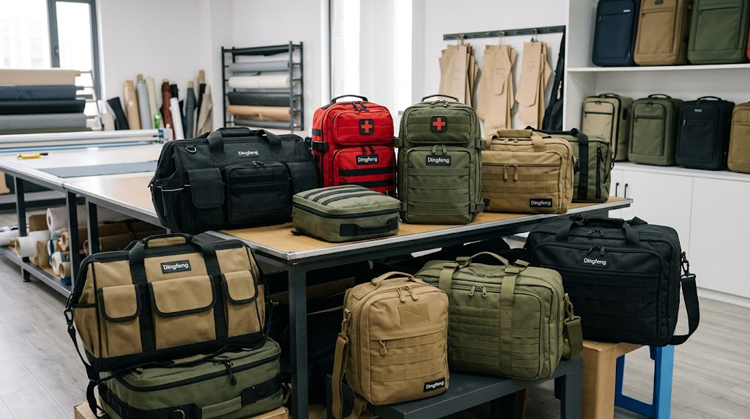
Planning a new product launch for 2027? If custom bags or cases are part of your product range, now is a good time to start preparing.
Many brands begin developing a new product only a few months before its planned launch. However, custom bag development involves more than manufacturing. Design discussions, material selection, branding, sample development, testing and production preparation all take time.
Whether you're planning a new tool bag, medical backpack, equipment case, or outdoor storage solution, starting early gives you more time to refine the product, resolve issues, and prepare for a smoother launch.
A Typical Timeline for Custom Bag Development
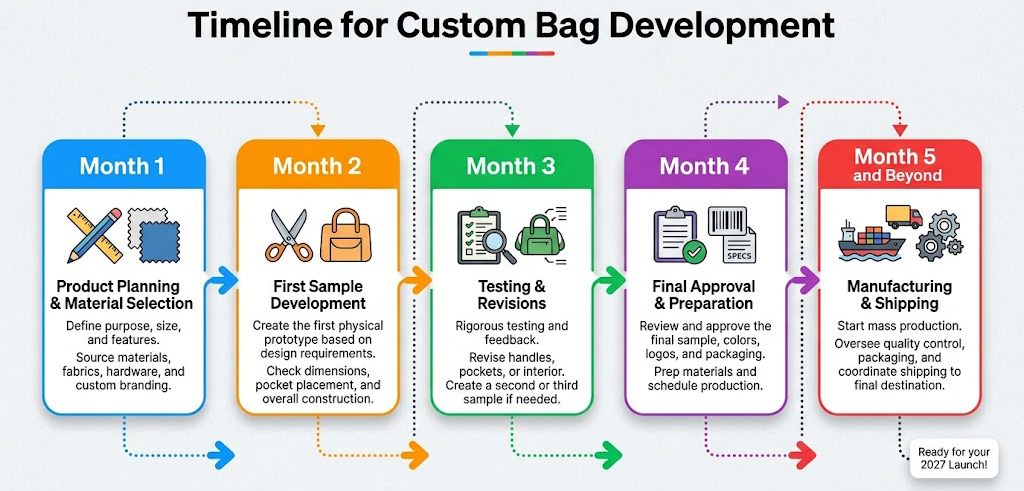
Every project is different, but custom bag development often takes several months before mass production can begin. The following timeline provides a general guide. More complex designs or projects requiring multiple sample revisions may take longer.
Month 1: Product Planning and Material Selection
The first step is to define the product's intended use, target users, dimensions, key features, and target budget. Reference products, sketches, or an initial list of requirements can help communicate your ideas.
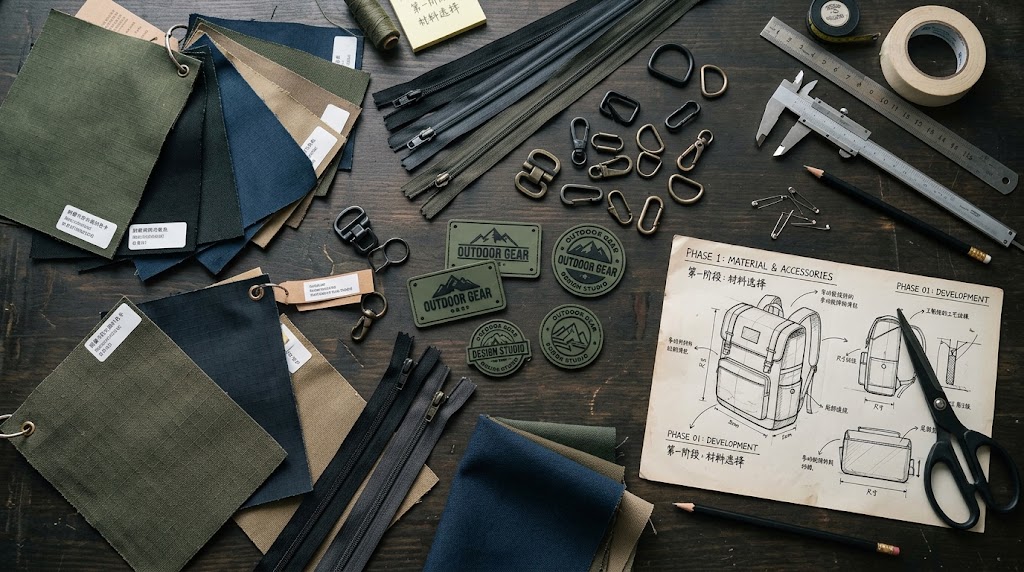
This is also the time to discuss materials, colors, hardware, and branding requirements. Fabric durability, water resistance, foam protection, zipper types, and other construction details can affect both product performance and cost.
If the project requires custom components, such as rubber logo badges or branded zipper pulls, these should be discussed at this stage as well.
Once the main requirements and material direction are clear, the first sample can be developed.
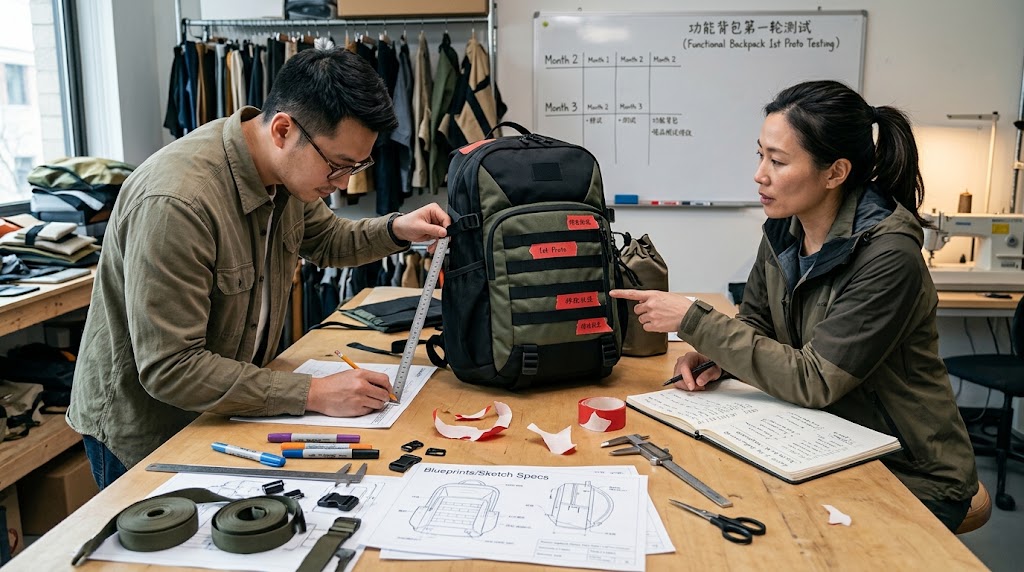
The aim is to turn the concept into a physical product and evaluate how it works in practice. This includes checking dimensions, pocket placement, storage capacity, access to equipment, and overall construction.
A physical sample often reveals details that are difficult to assess from drawings alone, providing a basis for further improvements.
Month 3: Testing and Revisions
The first sample may not meet every requirement. Testing and feedback may reveal that a pocket needs to move, a handle needs reinforcement, or the interior layout needs adjustment.
Depending on the changes required, a second or third sample may be necessary. Allowing enough time for these revisions helps ensure the design meets expectations before mass production.
Month 4: Final Approval and Production Preparation
Once the design has been refined, the final sample and product specifications should be reviewed and approved.
Confirm dimensions, materials, colors, hardware, logo placement, stitching, and any special features. Packaging requirements, labels, and artwork should also be finalized.
After approval, the project can move into production preparation, including material purchasing, custom component preparation, and production scheduling. Changes made at this stage may affect both cost and delivery time, so it's important to settle the key details before proceeding.
Month 5 and Beyond: Manufacturing and Shipping
Once the product is approved and production preparations are complete, mass production can begin.
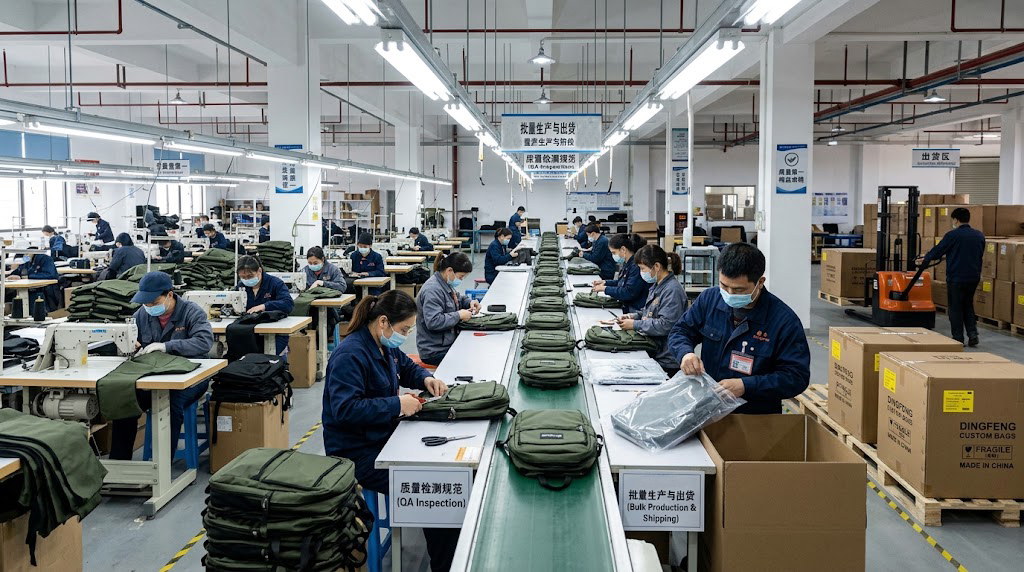
The manufacturing lead time depends on factors such as order quantity, product complexity, material availability, and factory capacity. Shipping time will also vary depending on the destination and transportation method.
When planning a launch, consider the entire timeline—from initial discussions to final delivery—rather than calculating backward from the production lead time alone.
Where Do Delays Usually Happen?
Delays don't always occur during manufacturing. Many begin earlier in the development process.
- Design changes: Sample reviews may reveal improvements that require another round of sampling.
- Material changes: Switching fabrics, colors, or hardware can mean checking availability, sourcing alternatives, and obtaining new approvals.
- Custom branding: Rubber logos, custom zipper pulls, and other branded components may require separate tooling and sampling.
- Packaging decisions: Leaving labels, printed cartons, or retail packaging until the last minute can delay final preparation and shipment.
- Seasonal production schedules: Factory capacity and material availability can become tighter during busy periods, while holidays may affect production and transportation.
These issues are not always avoidable, but a realistic schedule gives your team more room to respond without putting the launch date under unnecessary pressure.
Starting Early Gives You More Flexibility
Starting early doesn't mean committing to a large production order right away. It means opening the discussion while there's still time to explore options and resolve potential issues.
With more time, you can refine the design, compare materials and costs, test samples, and finalize branding and packaging without rushing decisions. You can also coordinate production and shipping more effectively around your planned launch date.
This is particularly important for custom bags and cases with multiple compartments, specialized materials, protective foam interiors, or bespoke branded components, where small design decisions can have a significant impact on the final product.
Planning a Product Launch for 2027?
If you're preparing for a new product launch, trade show introduction, or product line expansion in 2027, October is a good time to start discussing your requirements.
You don't need a complete design package to begin. Reference products, initial sketches, target dimensions, or a list of features you want to include are all useful starting points.
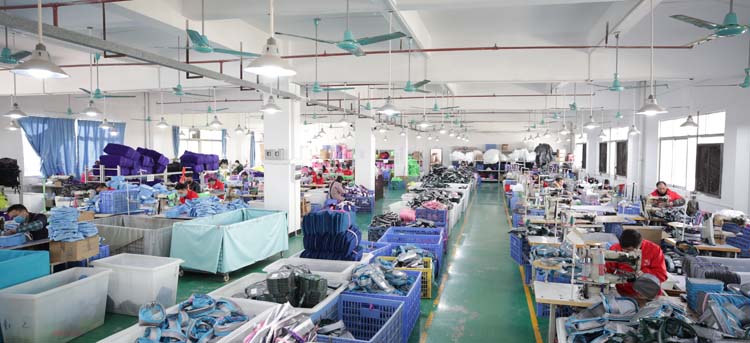
At Dingfeng, we work with customers to develop custom bags and cases around their product requirements, from initial design discussions and material selection through sample development and production preparation.
The earlier you start, the more time you have to get the details right before your launch date approaches.
Mid-Autumn & Golden Week 2026: The Manufacturing Reality Behind Q4 Delivery Dates
Related Article