
How We Test the Durability of 4WD Off-road Recovery Bags: A Comprehensive Guide
author: iBagCase Team
2026-01-14

At iBagCase, we know that when you're miles away from the nearest paved road, your gear isn't just an accessory-it's a lifeline. Mud, jagged shale, relentless salt spray, and the scorching sun of the Australian Outback don't pull punches.
If your recovery bag fails, your mission stops. That's why we don't just "build" bags, we engineer them. To ensure every iBagCase bag stands up to the most brutal conditions on Earth, we put our prototypes through a rigorous battery of laboratory tests.
Here is an inside look at how we define and verify "Off-Road Durability."
1. Tensile Strength: Beyond the Breaking Point
The Problem: Most inferior bags fail at the handles or bottom stitching. Under the weight of heavy snatch straps, shackles, and damp recovery gear, cheap seams simply snap.
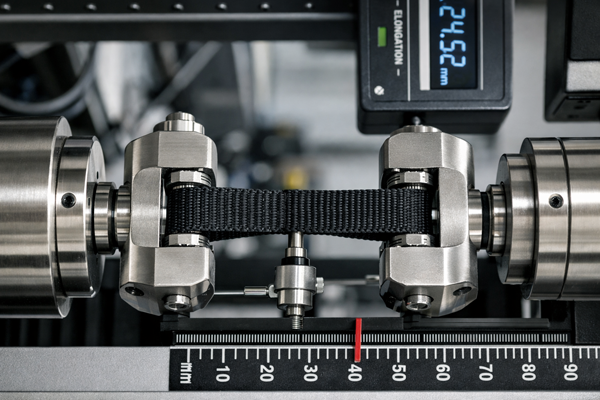
The Test: We use a calibrated Universal Material Testing Machine (UTM) to pull our high-density webbing and reinforced stitching to their absolute breaking points.
The iBagCase Benchmark: While a standard recovery kit weighs 10–15kg, we test our load-bearing straps to withstand over 150kg of vertical force.
The Result: This ensures that even during a violent "jolt" or sudden jerk during a recovery operation, the bag remains intact. If a design fails, we re-optimize with industrial bar-tacks or upgraded webbing thickness.
2. Salt Spray Test: Corrosion-Proof Hardware
The Problem: Coastal drives and salt flats are a death sentence for standard metal. A seized zipper in an emergency isn't just an inconvenience; it's a safety risk.
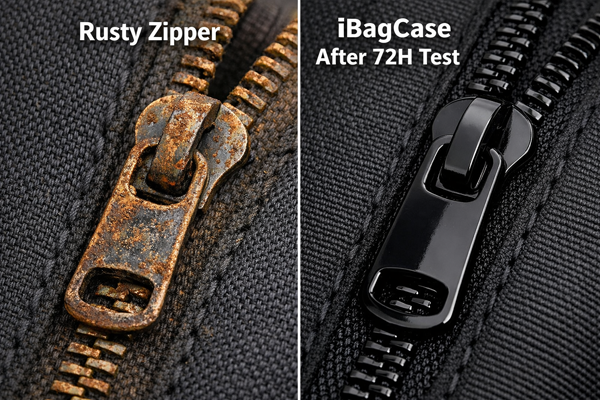
The Test: Following ASTM B117 standards, we place our hardware in a salt fog chamber for a continuous 48 to 72-hour cycle, simulating months of exposure to high-salinity maritime environments.
The iBagCase Benchmark: Post-test, zippers must show zero signs of red rust or white oxidation and operate with a smooth "glide."
The Result: We utilize marine-grade electroplated zinc alloys and 550 Paracord pulls, ensuring your gear is accessible even after a thousand mud baths.
3. UV Resistance: Beating the Desert Heat
The Problem: Intense UV exposure causes fabrics to become brittle, fade, and eventually tear like paper.
The Test: Using a Xenon Arc Lamp chamber, we replicate years of desert sun. Samples endure cycles of intense UV, humidity, and heat (up to 60°C) for hundreds of hours (ISO 4892-2).
The iBagCase Benchmark: Our high-quality canvas must maintain flexibility and strength for over 2,000 hours of simulated exposure (approx. 2 years of daily direct desert sun).
The Result: We guarantee the bag retains at least 80% of its original integrity. If it falls short, we integrate UV-stabilizing additives into the fabric weave.

4. Abrasion Resistance: The Taber Test
The Problem: Recovery bags are rarely handled with care. They are dragged across jagged rocks, tossed onto gravel, and pushed through thorny brush.
The Test: We use the Taber Abrasion method, rotating weighted abrasive wheels against the fabric for thousands of cycles.
The iBagCase Benchmark: Our Double-Polyurethane (PU) coated backing must survive 5,000+ cycles without the abrasive head penetrating the primary moisture barrier.
The Result: Your gear stays dry and protected, even if the bag is dragged across sharp shale.
Why Technical Specs Matter
At iBagCase, we don't "hope" our bags last - we prove it. By adhering to international industrial standards, we provide off-roaders with the peace of mind that their gear is as tough as their vehicle.
The iBagCase Build Sheet:
Materials: High-quality Canvas / Heavy-duty PVC Tarpaulin.
Hardware: Corrosion-resistant zippers with 550 Paracord pulls.
Reinforcement: Cross-stitched "X" patterns at all critical stress points.
Are you looking for a custom manufacturing partner to elevate your off-road brand? Don't settle for "good enough" when you can have "lab-proven." Check out our full lineup at ibagcase.com and gear up for your next adventure with confidence.
Posted by the iBagCase Team
January 14, 2026
Beyond Fabric: Decoding EVA Hardness (60° vs. 75° Shore A)
Tensile Strength vs. Tear Resistance: Decoding Fabric Testing Data for Industrial Tool Bags
Related Article

This article explores how accessibility, organization, and workflow can improve equipment bag design. Learn how thoughtful pocket layouts, custom compartments, and practical storage features help users keep tools and equipment organized, access essentials quickly, and work more efficiently.
The Future of Equipment Storage: Accessibility, Organization, and Workflow
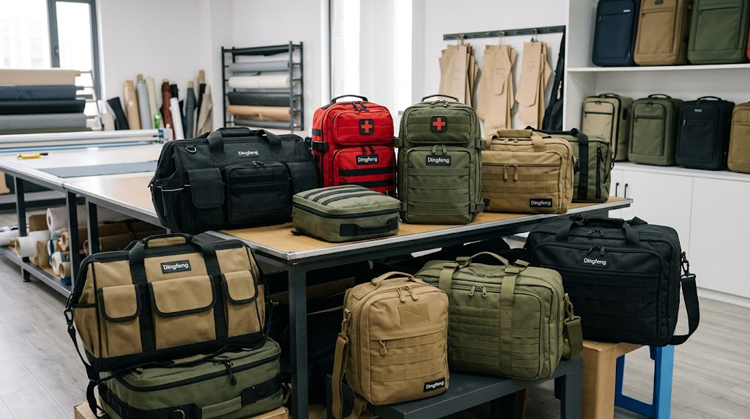
Get ahead on your 2027 product plans. Understand the custom bag development process and how early preparation helps keep your project on track.
Planning Ahead for 2027: Starting Your Custom Bag Development Early
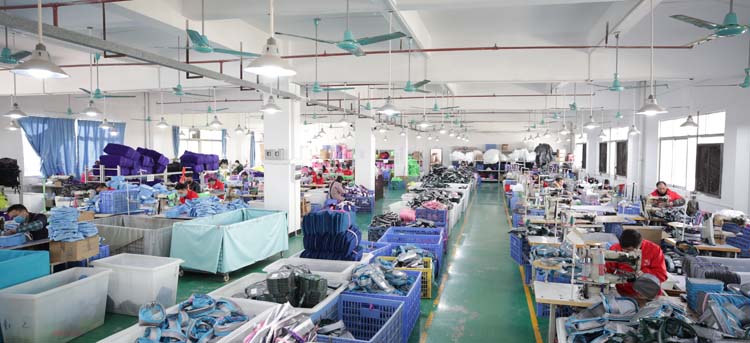
China's Mid-Autumn Festival and Golden Week create a tight production window for Q4 orders. Discover why custom bag lead times can extend beyond standard production schedules, how to plan backward from your delivery date, and why fall is a good time to start developing your 2027 products.
Mid-Autumn & Golden Week 2026: The Manufacturing Reality Behind Q4 Delivery Dates

This article explores how custom lid organizers and padded divider systems can transform unused hard case space into practical, high-value storage. By improving organization, accessibility, protection, and workflow efficiency, these interior solutions enhance the user experience while helping brands create more premium, versatile, and marketable hard case products.
Maximizing Hard Case Storage: How Lid Organizers and Divider Systems Turn Dead Space into Value