
Top Bag Trends for Outdoor and Adventure Brands in 2026
author: Crystal Gao
2026-04-28

As outdoor lifestyles continue to grow globally, 2026 is shaping up to be a defining year for functional bag innovation. From tactical backpacks to camping and tool bags, brands are no longer competing on aesthetics alone — performance, modularity, and real-world usability are now the key drivers of purchasing decisions.
For outdoor and adventure brands, understanding these trends is essential to developing products that stand out in an increasingly competitive market. If you are currently mapping out your product roadmap for the upcoming seasons, here are the four major trends you need to watch.
1. Modular Design: Beyond "One-Size-Fits-All"
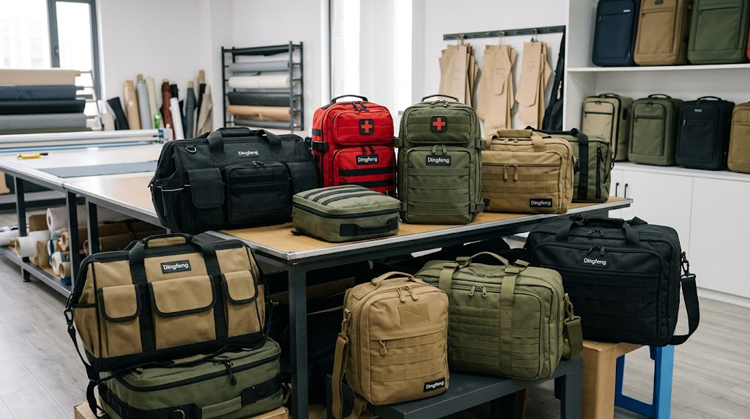
The idea of a single backpack that does everything is losing its appeal. Today's users want gear they can adapt to specific trips. Because of this, the MOLLE (Modular Lightweight Load-carrying Equipment) system has officially crossed over from military gear into mainstream outdoor products.
Instead of bulky traditional webbing, modern designs lean on sleek, laser-cut MOLLE panels. This setup lets users easily attach or remove pouches—like a water bottle holder, a first-aid kit, or an extra tool roll. It turns a simple daypack into a custom multi-day rig in seconds.

2. Built-in Durability and Weatherproofing
When gear fails in the backcountry, the brand takes the hit. Buyers now expect their bags to handle rough conditions right off the shelf, meaning standard fabric just isn't enough anymore.
For abrasion resistance, high-denier Cordura® and heavy duty canvas remain the industry standard. It's the go-to material for bags that will inevitably be dragged over rocks or thrown into the back of a truck.
For weather protection, users are moving away from flimsy, separate rain covers. They want the bag itself to do the job. By using TPU (Thermoplastic Polyurethane) coated fabrics, paired with high-frequency welded seams and water-resistant YKK zippers, brands can deliver a pack that keeps gear bone-dry without needing extra layers.

3. Smarter Zoning for Tech and Tools
People don't just pack a compass and a jacket anymore. The modern adventurer carries expensive tech—drones, action cameras, and heavy power banks—right alongside camp axes and muddy boots. Throwing all of this into one main compartment is a recipe for broken gear.
Bags winning in the market right now feature highly intentional zoning:
- Tech Protection: Suspended, fleece-lined pockets to keep electronics safe from drops and temperature shifts.
- External Tool Carry: Sturdy daisy chains and dedicated sleeves for trekking poles or carabiners, so hard gear stays on the outside.
- Wet/Dry Separation: Breathable or waterproof-lined sections specifically designed to keep sweaty clothes or dirty boots away from clean supplies.

4. The Great Divide: Ultra-Lightweight vs. Heavy-Duty Professional
On one side, ultra-lightweight bags are gaining popularity among hikers, travelers, and minimalist users. These products focus on reducing weight as much as possible while still maintaining basic durability. Materials, construction methods, and even hardware are all optimized to keep things light and compact.
On the other side, there’s growing demand for heavy-duty, professional-grade bags — especially in segments like off-road, tactical, and tool storage. In these cases, weight is less of a concern. What matters more is structure, load capacity, and long-term reliability under tough conditions.
From a development standpoint, these two directions require completely different approaches. Lightweight designs prioritize material efficiency and smart construction, while heavy-duty products rely more on reinforcement, thicker fabrics, and stronger stitching.
For brands, the key is not trying to cover both extremes in a single product. It’s about being clear on the target user and building the bag accordingly. Trying to “balance everything” often leads to products that don’t fully satisfy either side.

Turning Concepts into Retail-Ready Products
A solid product line takes time to develop. Sourcing materials, prototyping, and dialing in the construction means you need to lock in your manufacturing partner months before launch.
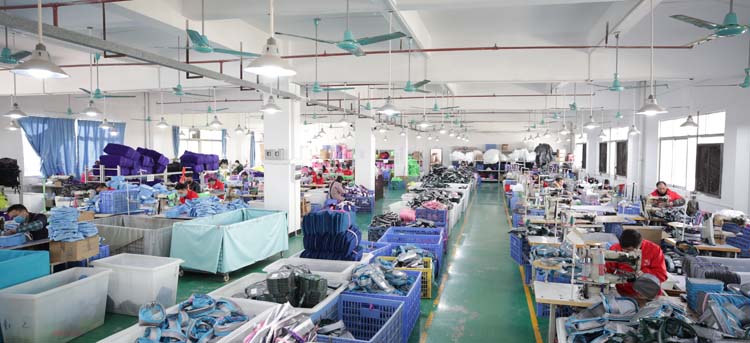
If you're looking to integrate these functional trends into your 2026 catalog, we can help. As an experienced OEM/ODM bag manufacturer, we know how to bridge the gap between a great design and a reliable, mass-produced product.
Contact us today to talk about your upcoming R&D projects or request a custom sample. Let's build the right gear for your target market.
OEM Waterproof Gear Bag Factory: Upgrading from Sewn to Seamless
Elevating Brand Value: How Seamless Tech & Airtight Zippers Justify Premium Pricing
Related Article

This article explores how accessibility, organization, and workflow can improve equipment bag design. Learn how thoughtful pocket layouts, custom compartments, and practical storage features help users keep tools and equipment organized, access essentials quickly, and work more efficiently.
The Future of Equipment Storage: Accessibility, Organization, and Workflow
Get ahead on your 2027 product plans. Understand the custom bag development process and how early preparation helps keep your project on track.
Planning Ahead for 2027: Starting Your Custom Bag Development Early
China's Mid-Autumn Festival and Golden Week create a tight production window for Q4 orders. Discover why custom bag lead times can extend beyond standard production schedules, how to plan backward from your delivery date, and why fall is a good time to start developing your 2027 products.
Mid-Autumn & Golden Week 2026: The Manufacturing Reality Behind Q4 Delivery Dates

This article explores how custom lid organizers and padded divider systems can transform unused hard case space into practical, high-value storage. By improving organization, accessibility, protection, and workflow efficiency, these interior solutions enhance the user experience while helping brands create more premium, versatile, and marketable hard case products.
Maximizing Hard Case Storage: How Lid Organizers and Divider Systems Turn Dead Space into Value