
Custom Bag MOQs Unlocked: Insider Secrets Every Buyer Needs to Know
author: Merry Fang
2026-03-24
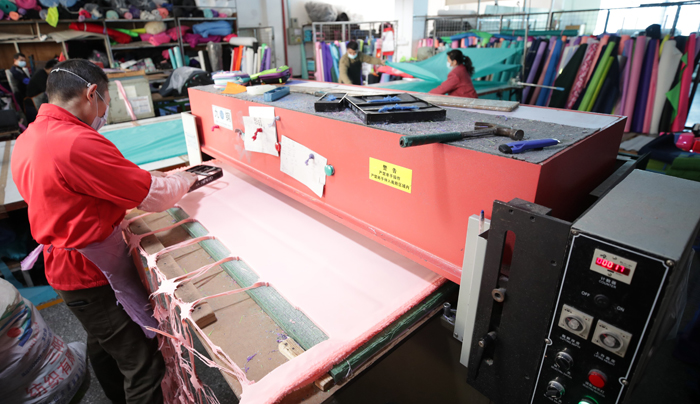
When you finally decide to launch or scale your bag brand, you send out inquiries full of anticipation. You request a trial quote for 50–100 pieces to test the market, expecting an easy "yes."
Instead, the reply you receive often looks like this:
"Thank you for reaching out! However, the minimum order quantity (MOQ) for this custom design is 1,000 pieces."
If you're a startup founder or a corporate procurement professional, this number likely feels staggering—and sometimes incomprehensible. Buyers often assume factories set artificially high MOQs just to pressure them into larger orders or to brush off small businesses.
As a custom bag manufacturer that handles these exact inquiries every single day, let us be completely honest with you: we don't. We actually want your business.
Today, we are pulling back the curtain on the factory floor. Here is exactly what MOQ means, why the physical supply chain demands it, what drives the numbers up, and most importantly—how you can negotiate your minimums down.
What Exactly Is Minimum Order Quantity (MOQ)?
In simple terms, MOQ is the smallest number of units a factory is willing to produce in a single order.
But here is the reality check that buyers often miss: MOQ is not a random number pulled out of thin air to gatekeep you. It is our break-even point.
Think of it this way: the factory isn't trying to be difficult; we are protecting both our operational margins and your product's quality. Custom bag manufacturing is a volume-based industry. If you order below the MOQ, the fixed setup costs are spread across too few units, causing the per-bag price to skyrocket. Hit or exceed the MOQ, and you unlock production efficiency, better pricing, and consistent quality.
Why Do Bag Manufacturers Require MOQs?
Many brands wonder why factories cannot simply produce a small batch. The answer lies in the fundamental economics of custom manufacturing. When you order a bespoke bag, we aren't pulling blank bags off a warehouse shelf and slapping your logo on them. We are building them from scratch.
Even for highly experienced factories, producing custom bags involves strict supply chain constraints. Here is what is actually forcing our hand:
1. Raw Material Procurement Minimums
Bag factories rarely weave fabrics in-house. Instead, we source raw materials from textile markets or work with specialized mills. These fabric suppliers sell in bulk, often requiring minimum purchases of 500 to 1,000 meters per color. If your bag order is too small, the manufacturer is forced to buy excess fabric that will just sit in a warehouse gathering dust. MOQ helps balance material usage and prevents you from paying for costly waste.
2. Hardware & Trims Sub-Suppliers
Your bag is an assembly of dozens of parts. We rely on sub-suppliers for zippers, buckles, metal rivets, and snaps. If you want a custom-molded metal zipper puller with your logo, we have to cast a custom steel mold. The hardware factories that manufacture these tiny metal pieces have their own strict minimums, often demanding 3,000 to 5,000 pieces just to turn their machines on.
3. Fixed Production Setup Costs
Every single order, regardless of size, requires extensive prep work before a single stitch is sewn. These setup steps include:
- Drafting paper patterns and cutting dies (templates)
- Setting up printing screens or embroidery machines
- Calibrating sewing machines for specific material thicknesses
- Organizing labor and assembly lines
- Establishing Quality Control (QC) protocols
These tasks take the exact same amount of time and skilled labor whether we are making 50 bags or 5,000. Distributing these fixed costs across a larger volume is the only way to keep your cost-per-bag affordable.
What Drives Your Custom Bag's MOQ Up?
MOQ is not a one-size-fits-all number. Several variables in your tech pack can influence the final minimum quantity required:
Design Complexity: Simple bags with straightforward construction are faster to produce, allowing for lower MOQs. Complex bags with custom padding, molded panels, or intricate compartments require more setup time and coordination, naturally driving the MOQ up to justify the labor.
Custom-Dyed Fabrics: If you want a fabric custom-dyed to match your brand's exact Pantone color, the textile mill must mix a fresh industrial dye vat. To run the vat efficiently without ruining the fabric tension, they require a minimum of 1,000+ yards. That instantly pushes your bag MOQ into the thousands.
Bespoke Branding & Hardware: Elements like custom metal/rubber logos, branded buckles, or unique hardware require dedicated molds. Because these sub-suppliers produce in large batches, the bag's overall MOQ must often be adjusted to match the hardware minimums.
Insider Strategies to Reduce Your MOQ (Without Sacrificing Quality)
If a factory quotes you 1,000 pieces, but your pilot-run budget only allows for 500, don't walk away from the negotiation table just yet. Here are four insider strategies savvy brands use to get their smaller runs made:
1. Leverage "Market-Stock" Materials
This is the ultimate industry hack. Instead of demanding a custom-dyed Pantone color for your first run, ask your manufacturer: "What stock fabrics do you currently have available, or what can be sourced easily in the wholesale market?" We always have access to standard black, white, navy, and olive green. By using off-the-shelf colors, you bypass the fabric mill's strict dye restrictions entirely and can often cut your MOQ in half.
2. Standardize Hardware, Customize "Soft" Branding
Drop the custom-molded metal hardware for your first launch. Opt for high-quality, standard zippers and buckles instead. You can still make the bag uniquely yours by adding a custom woven label, a silkscreen print, or an embroidered logo. These "soft" branding methods have virtually zero MOQ restrictions and are incredibly cost-effective for small batches.
3. Consolidate Styles or Colors
If you're planning a collection, try using the exact same core fabric across different bag styles. This helps you hit the fabric mill's minimum yardage while keeping individual bag quantities low. Alternatively, ask the factory to split the order into different colors of the same design. As long as the physical shape, cutting dies, and paper patterns don't change, many factories are happy to accommodate this so you get more variety for your store.
4. Partner With a Solutions-Oriented Manufacturer
Instead of simply rejecting your low quantity, an experienced bag manufacturer will act as your production consultant. They will review your design and suggest tweaks—like swapping a fabric with a lower sourcing minimum or simplifying an internal seam—to make the project more production-friendly. They help you find the sweet spot between cost, quality, and quantity.
MOQ is a normal part of physical manufacturing—not a barrier meant to keep you out. Once you understand how it works, it becomes easier to plan your products, control costs, and communicate clearly with suppliers.
Ready to bring your bag design to life? Don't let MOQ anxiety hold you back. Send us your tech pack, share your target budget transparently, and let our team figures out a manufacturing plan that makes sense for your stage of growth.
Elevating Brand Value: How Seamless Tech & Airtight Zippers Justify Premium Pricing
Choosing the Right Logo Technique: A Guide to Defining Your Brand's Physical Identity
Related Article

This article explores how accessibility, organization, and workflow can improve equipment bag design. Learn how thoughtful pocket layouts, custom compartments, and practical storage features help users keep tools and equipment organized, access essentials quickly, and work more efficiently.
The Future of Equipment Storage: Accessibility, Organization, and Workflow
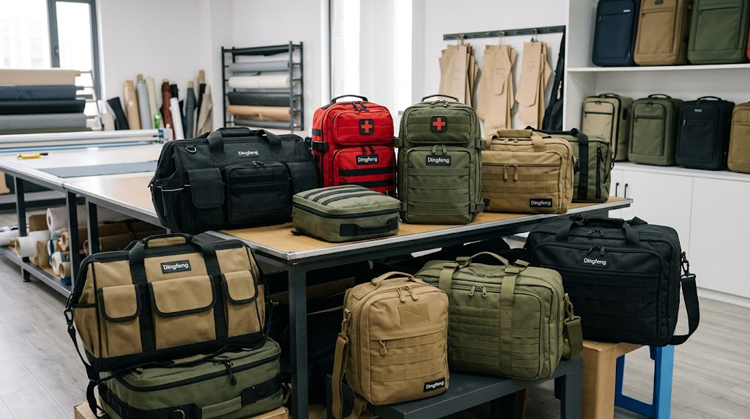
Get ahead on your 2027 product plans. Understand the custom bag development process and how early preparation helps keep your project on track.
Planning Ahead for 2027: Starting Your Custom Bag Development Early
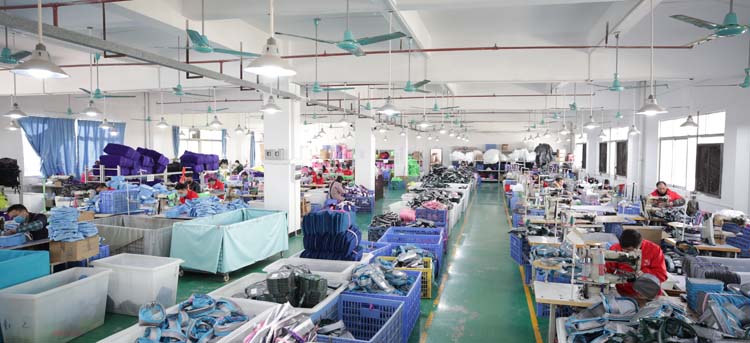
China's Mid-Autumn Festival and Golden Week create a tight production window for Q4 orders. Discover why custom bag lead times can extend beyond standard production schedules, how to plan backward from your delivery date, and why fall is a good time to start developing your 2027 products.
Mid-Autumn & Golden Week 2026: The Manufacturing Reality Behind Q4 Delivery Dates

This article explores how custom lid organizers and padded divider systems can transform unused hard case space into practical, high-value storage. By improving organization, accessibility, protection, and workflow efficiency, these interior solutions enhance the user experience while helping brands create more premium, versatile, and marketable hard case products.
Maximizing Hard Case Storage: How Lid Organizers and Divider Systems Turn Dead Space into Value