
The Smart Way to Source Reliable Bag Manufacturers in 2026: A Practical Guide
author: Alex Chen
2026-01-30

The global bag market in 2026 is no longer just about aesthetics or being the "cheapest option." With tightening international trade regulations, a massive shift toward circular economies, and increasingly savvy consumers, your choice of a manufacturing partner can either scale your brand or become its biggest liability.
If you are looking to source or switch partners this year, navigating the sea of "gold suppliers" requires a more surgical approach. Here is your guide to vetting a manufacturing partner that will help your brand thrive in 2026.
1. Look Beyond Price—Focus on Long-Term Value
In the current economic climate, a low per-unit cost is often a red flag rather than a competitive edge. A "cheap" quote usually hides inefficiencies: poor material durability, high defect rates, or unethical labor shortcuts. So, instead of focusing on the bottom line of the invoice, evaluate the Total Cost of Ownership (TCO). A reliable manufacturer might charge a premium, but they save you money by reducing returns, offering better material yields, and providing consistent delivery windows that keep your inventory lean and your customers happy.
2. Evaluate Customization and Design Capability
The market is no longer interested in "cookie-cutter" designs. To stand out, you need a partner who can handle complex technical specifications. When vetting a factory, don't just ask if they can make a bag—ask about their Design for Manufacturing (DfM) support. A top-tier manufacturer should:
- Translate concepts into production-ready designs
- Suggest material alternatives to improve function or cost/Suggest structural improvements to enhance durability
- Develop new structures, patterns, and finishes
- Support OEM&ODM and private-label projects
Manufacturers with in-house design teams and sampling expertise can help brands shorten development cycles and avoid costly design mistakes before mass production.
3. Quality Control Systems Matter More Than Promises
Everyone promises "high quality," but few can prove how they achieve it. A reliable manufacturer must have a documented, multi-stage Quality Control (QC) system:
- IQC (Incoming Quality Control): Testing raw materials before they hit the line.
- IPQC (In-Process Quality Control): Checking for issues during assembly to prevent batch-wide errors.
- Final Inspection (AQL Standards): Using internationally recognized sampling levels (like AQL 2.5) to ensure the finished product meets your brand's standards.
- Testing Equipment: Equipped with machines for tensile strength (straps), salt spray (hardware durability), and colorfastness.
4. Compliance and Sustainability Are No Longer Optional
With the 2026 updates to ESG (Environmental, Social, and Governance) reporting, compliance is now a legal necessity. You need a partner who is transparent about their footprint.
- Certifications: Ask for updated ISO 9001, BSCI, or GRS (Global Recycled Standard) certifications.
- Chemical Safety: Ensure they comply with the latest REACH or Prop 65 regulations regarding non-toxic dyes and hardware.
- Traceability: It refers to the ability of a company to track and verify every stage of its supply chain, all the way back to the raw materials used in a product.
Non-compliance risks market access, fines, or backlash—making these factors non-negotiable for forward-thinking brands.
5. Ask for Real Case Studies, Not Just Samples
Samples can be the "best-case scenario"—often made by the factory's most skilled sample makers under perfect conditions. They don't always represent what will come off the mass production line. To find the truth, look at their case studies or references from similar projects: brands they've worked with, order volumes, timelines met, and post-production feedback. A manufacturer that is proud of its history will have no problem sharing (anonymized) success stories.
6. Prioritize Rich Manufacturing Experience
In an era of rapid technological change, there is no substitute for "factory floor" wisdom. Factories with decades of hands-on production experience understand materials, construction methods, and market expectations far better than newcomers.
Experienced manufacturers are more likely to:
- Anticipate potential production risks
- Offer practical cost-saving suggestions
- Maintain stable quality across large volumes
- Adapt to changing market trends
In 2026, reliability often comes from proven experience, not rapid expansion or aggressive marketing.
In brief, finding a manufacturer in 2026 is about finding a strategic partner, not just a vendor. Finding a reliable bag manufacturer in 2026 requires diligence beyond surface-level comparisons. By prioritizing long-term value, strong customization, robust quality systems, genuine sustainability, proven track records, and deep experience, you'll secure a partner who supports your growth, protects your brand, and evolves with the market.
Looking for a reliable partner for your brand? Contact us to discuss how our decades of manufacturing expertise can bring your 2026 collection to life.
By Alex Chen January 30, 2026
The Evolution of 4WD Storage: Modular Designs for 2026 Off-Roading
European Demand for Eco-Certified Bags: Opportunities Beyond Standard Compliance
Related Article

This article explores how accessibility, organization, and workflow can improve equipment bag design. Learn how thoughtful pocket layouts, custom compartments, and practical storage features help users keep tools and equipment organized, access essentials quickly, and work more efficiently.
The Future of Equipment Storage: Accessibility, Organization, and Workflow
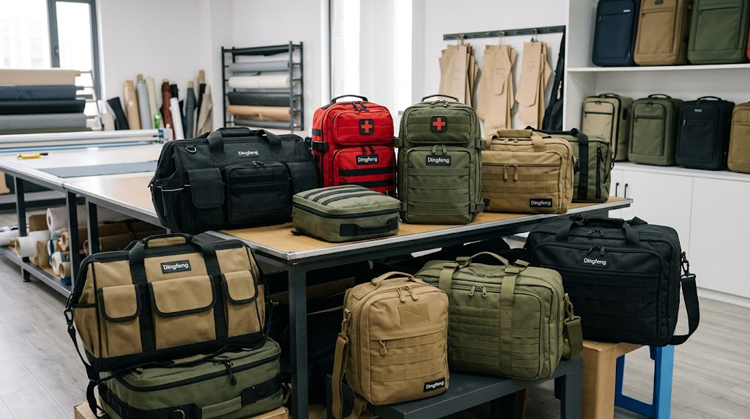
Get ahead on your 2027 product plans. Understand the custom bag development process and how early preparation helps keep your project on track.
Planning Ahead for 2027: Starting Your Custom Bag Development Early
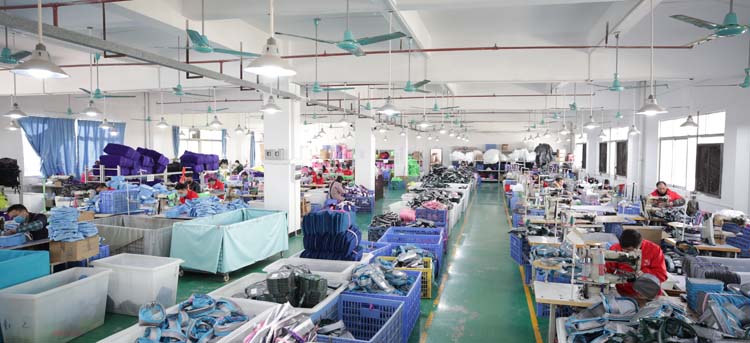
China's Mid-Autumn Festival and Golden Week create a tight production window for Q4 orders. Discover why custom bag lead times can extend beyond standard production schedules, how to plan backward from your delivery date, and why fall is a good time to start developing your 2027 products.
Mid-Autumn & Golden Week 2026: The Manufacturing Reality Behind Q4 Delivery Dates

This article explores how custom lid organizers and padded divider systems can transform unused hard case space into practical, high-value storage. By improving organization, accessibility, protection, and workflow efficiency, these interior solutions enhance the user experience while helping brands create more premium, versatile, and marketable hard case products.
Maximizing Hard Case Storage: How Lid Organizers and Divider Systems Turn Dead Space into Value