How We Use GRS-Certified Recycled Fabrics for Heavy-Duty Tool Bags

In the professional tool industry, "tough" and "green" were once seen as opposites. Heavy-duty bags required virgin polyesters and coatings to withstand the rigors of a job site. However, as global environmental standards tighten, the industry is shifting.
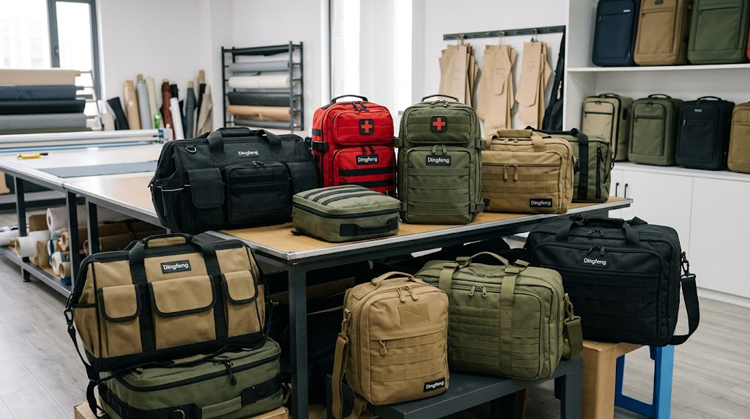
At our factory, sustainability is not a marketing slogan. We are proving that sustainability does not have to come at the expense of durability. By integrating Recycled Polyester Tool Bags into our production lines, we are helping our partners meet ESG (Environmental, Social, and Governance) goals without compromising on quality.

What is GRS, and Why Does It Matter?
The Global Recycled Standard (GRS) is more than just a label. It is a holistic standard that verifies the recycled content of products and monitors social, environmental, and chemical practices during production.
For our clients in North America and Europe, GRS certification provides:
Full Traceability: Verify the journey of the fabric from the recycling center to the final stitch.
Market Compliance: Meet the strict "Green Procurement" requirements of big-box retailers and government contracts.
Brand Integrity: Deliver a genuine "eco-friendly" message backed by third-party audits, avoiding the risks of "greenwashing."

A common concern among buyers is whether recycled materials can truly meet the performance demands of professional tool bags. The answer is yes—when engineered correctly.
We use GRS-certified recycled polyester, which are processed into high-tenacity yarns specifically designed for industrial applications.
Key performance characteristics include:
High-Tenacity Fibers: We use rPET (recycled Polyethylene Terephthalate) fibers that match the tensile strength of virgin polyester. High tensile strength suitable for heavy tools.
Reinforced Weaves: Our Recycled Polyester Tool Bags are typically crafted in 600D or 1680D constructions, providing the same puncture and abrasion resistance our customers expect. Excellent abrasion resistance for jobsite use.
Eco-Friendly Coatings: We pair our GRS fabrics with water-resistant backings that meet REACH and RoHS standards (compatibility with PU/PVC coatings for water resistance), ensuring the entire product is safe for both the user and the planet.
Switching to GRS-certified materials allows our clients to reduce their carbon footprint by up to 30% compared to traditional manufacturing methods. Also, our recycled fabrics are tested against conventional virgin polyester to ensure they meet or exceed required specifications for heavy-duty tool bags.

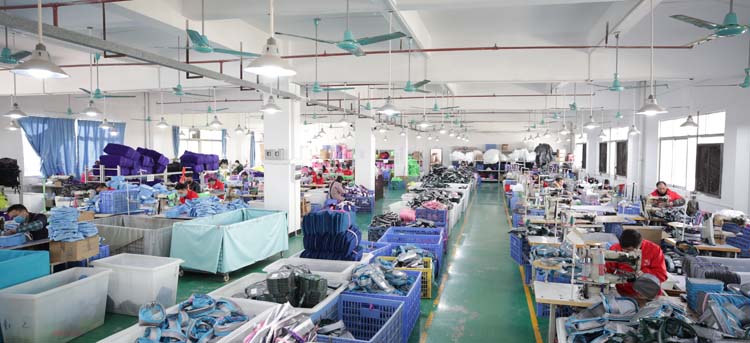
Being a GRS Certified Manufacturer means more than purchasing certified fabric. The entire production process must be traceable.
1. Certified Material Sourcing
All recycled fabrics are sourced from GRS-approved mills, with transaction certificates covering each batch.
2. Segregated Production
GRS materials are stored, cut, and produced separately to prevent contamination with non-certified materials.
3. Chemical & Environmental Controls
We strictly comply with GRS chemical restrictions, ensuring safe dyes, coatings, and finishes suitable for European and North American regulations.
The Competitive Edge for Large-Scale Brands
The move toward sustainable manufacturing is no longer optional. Large-scale distributors are actively filtering out suppliers who cannot provide certified recycled options. By choosing a GRS certified manufacturer, you are future-proofing your supply chain. Our factory is equipped to handle high-volume OEM/ODM orders, ensuring that every batch of recycled fabric is tested for colorfastness, load-bearing capacity, and environmental compliance.
If your brand is sourcing Recycled Polyester Tool Bags and needs a GRS Certified Manufacturer that understands both sustainability and heavy-duty performance, we are ready to support your next project.
Contact us to discuss certified materials, custom designs, and compliant manufacturing solutions tailored to your market.
Total Cost of Ownership: Why Cheap OEM Bags Cost More in the Long Run
The Evolution of 4WD Storage: Modular Designs for 2026 Off-Roading
Related Article